
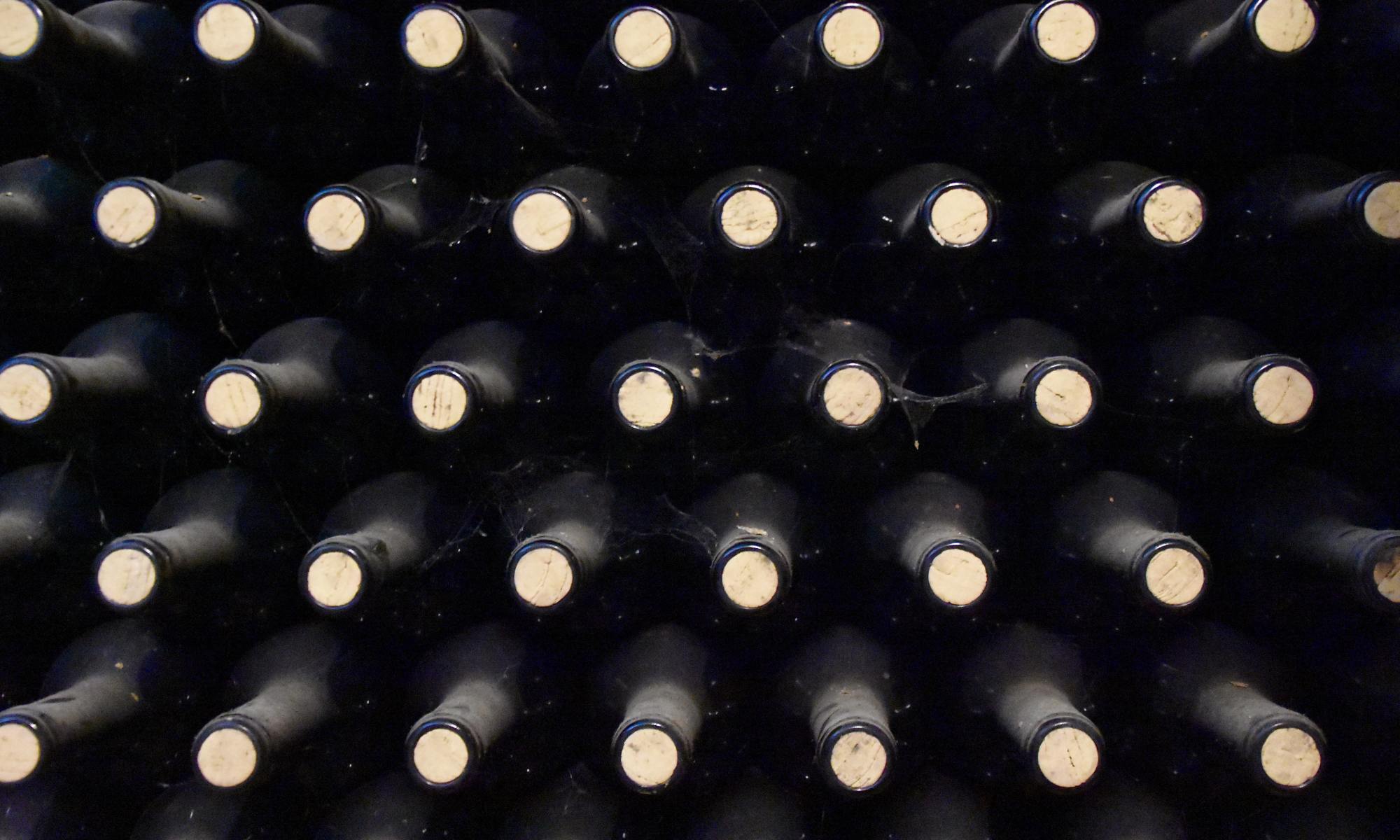
I was going to find a picture of a house of cards and then poorly photoshop wine bottles over them, but I decided it wasn’t worth the effort. Anyway, thanks for reading yet another brilliant editorial on the nuances of wine. Today we’re going to talk about wine “structure”. What it means, what it can tell you, and why you should or shouldn’t care. The latter-most is for you to decide, given you make it to the end of this article without closing it in disgust. We’ll also address some common terms you’ve heard such as: smooth, full-bodied, etc.
The term STRUCTURE refers to the balance of tannins (in red wine), acid, residual sugar and alcohol content in the wine. It’s debatable whether “body” would be considered a fifth component, but I guess it sort of is. Let’s start going through that list, limiting our discussion to the sensations each impart. You can talk about the chemistry of tannins and acid and shit all day, and many people do, but I’d argue that it doesn’t really do anything to increase your enjoyment of wine. If you consider quantitatively analyzing wine while having dinner to be entertaining, I suggest you try finding (new) friends. You know, people whose company you enjoy and are funny or interesting or whatever. Yea okay sure, there’s a time and place to analyze wine and focus, but at the end of the day it’s made to be consumed and enjoyed.
TANNINS
Anyway, tannins are responsible for that drying, grabbing sort of sensation on the inside of your mouth. Think over-steeped tea. People have all sorts of descriptors for tannins, like silky, rustic, fine-grained, chalky, crunchy, etc. (some of these mean something to me, some of them don’t. That doesn’t mean they don’t to someone else). A good analogy people use to describe tannins is sandpaper. Just like there are different grades or levels of grit of sandpaper, there are also different levels of grit of tannins. Don’t actually do it, but just imagine different grades of sandpaper being rubbed on your tongue or the inside of your mouth. “Chunky” or “rustic” tannins would be something like 50-grit, whereas “silky” would be upwards of 300 or something.
To further complicate matters, the grade of these tannins does not imply their intensity. Imagine the intensity of the tannins being how forcibly somebody is sanding. You can still softly sand something with coarse paper, even if it doesn’t really make sense why you would want to do that. But my point is that you can have a wine with a low-level of 50-grit tannins or one that has a high level of 300-grade. It depends on the grapes used, how/where the wine was made, and how old the wine is.
ACID
On to acid. In short, it’s the crisp, mouth-watering sensation you feel when you drink anything. One way to detect the level of acid in a wine is to sip it, swish it around, swallow it, then stick out your tongue. The amount of time it takes for the space underneath your tongue to fill with saliva will tell you how acidic it is. The quicker your mouth fills with saliva, the higher the acid is. Interestingly, there are a bunch of different acids that are responsible for the acidic sensation in a wine, and with some training you can actually tell which ones are dominant. Sounds crazy, I know, but it’s not.
I’d argue acid is the most important component of a wine’s structure. Alcohol is a close second. When acid is missing in a wine, it tastes completely flat. It just seems wrong. Proper acid levels make you want to take another drink. Acid is what makes wine refreshing and keeps it from being heavy and thick. If you’re having it with food, then it prepares your mouth for the next bite. It’s necessary to balance out the mouth-drying effect of tannins, otherwise you’d feel like you’re doing the triscuit challenge every time you drank a glass of young Barolo.
RESIDUAL SUGAR
We sort of talked about residual sugar content before, but it has important implications for a wine’s structure. Sugar not only adds sweetness, but also viscosity and therefore body to a wine. Think of how thick maple syrup is. Actually, maple syrup and honey are interesting because they have natural acidity which prevents them from being cloyingly sweet. For a test, get some real, good-quality honey or maple syrup and try it side-by-side with the cheapest shit you can find. In the case of maple syrup, get some “breakfast syrup.” If you taste the good stuff first, the cheap shit will taste thick and gross. It’ll coat your mouth and you’ll want to reach for something to cleanse your palate. It’s a great way to discover the need for sugar-acid balance, which is one of the most important properties of top-quality sweet wine.
ALCOHOL
What’s next, alcohol? Yea so this one is important for the obvious reasons (if you’re tasteless, insert some stupid nauseating social lubrication joke), but also for a reason sugar matters: viscosity. Alcohol is more viscous than water (think about how thick vodka or any spirits is), so if you removed all the alcohol from a wine it would be much thinner than you’d expect. I think alcohol is the greatest contributor to the “body” of a wine. Some people straight up use those interchangeably. Determining alcohol content though tasting is a bit nebulous; a wine can be 15% alcohol yet taste like it’s 13%, or it can be 13% and taste like moonshine. It depends how the wine is structured. Usually, however, higher-alcohol levels in a wine will make it seem much bigger, fuller, and more powerful.
BODY
Body is sometimes referred to as the wine’s “weight on the palate”. Not necessarily literal weight, but how rich it seems. The classic analogy is skim vs whole milk vs cream to represent light vs medium vs full bodied wine. Now it’s not a perfect analogy because those jumps aren’t proportional and full bodied wines don’t feel like you’re drinking cream. That’s disgusting. But it’s useful to demonstrate how viscosity can impact your perception of a drink.
Body isn’t necessarily the sum of these individual parts. You can have one wine with high acid, high tannins and moderate alcohol that will seem light-bodied, while another can have medium alcohol, relatively moderate tannins and low acid that tastes very rich and full-bodied. It’s sort of its own thing but it also kind of isn’t. Hope that clears things up a bit.
IN CONCLUSION
In conclusion, the structure of a wine is the interplay between these factors. A wine being called “balanced” refers to a particular relationship between properties, and what is considered a “balanced wine” is up for debate. The categorization varies greatly depending not only on the grape from which the wine is made, but also the particular style in which that wine is made. At the end of the day, like anything else with wine, it comes down to personal preference. There’s no right or wrong. I like white wines with acid so high that it will literally strip the enamel off of your teeth; some of my friends hate it. Regardless, learning about what structure means and paying attention to it while you drink will teach you more about wine than almost anything else.
 Cork Taint
One Reply to “”